Additional Species

Resources About Additional Species

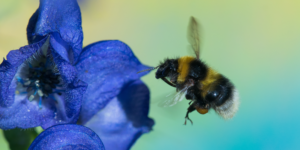
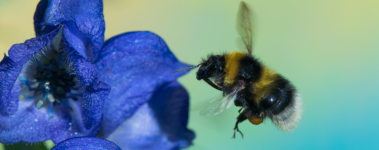
Photo by Jon Hunter on Unsplash
This is an introduction into the considerations of providing sanctuary for less commonly farmed animal species.
This resource reviews some of the different ways you can manage requests to take in animals outside of your sanctuary’s mission scope without putting
This resource reviews some of the different ways you can manage requests to take in animals outside of your sanctuary's mission scope without putting your organization, your staff, and your residents at risk.
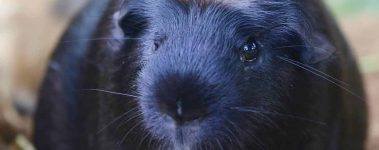
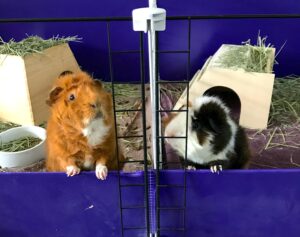
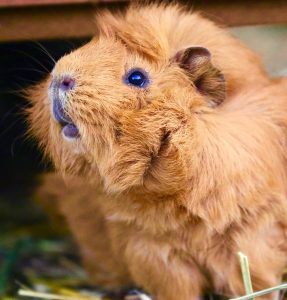
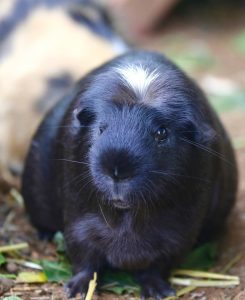
An introduction to many different aspects of compassionate cavy (guinea pig) care in a sanctuary or microsanctuary environment!
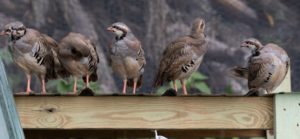
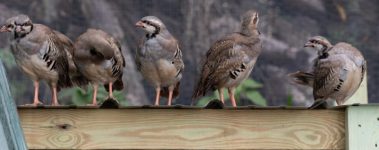
An introduction to chukars, including background on their native habitat and natural behaviors for your animal sanctuary!
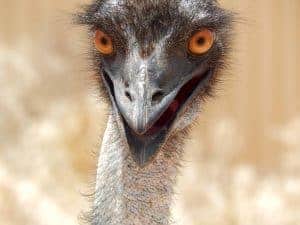
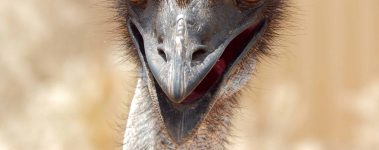
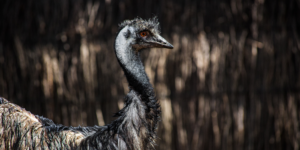
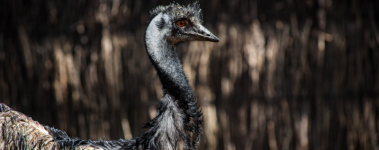
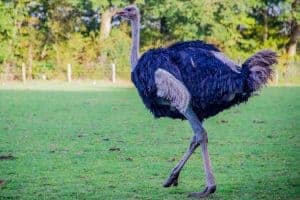
While this resource isn’t an exhaustive guide for all aspects of caring for ostriches, it strives to provide an introduction into ostriches care for
While this resource isn’t an exhaustive guide for all aspects of caring for ostriches, it strives to provide an introduction into ostriches care for rescues and sanctuaries.
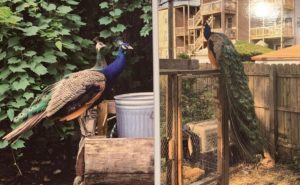
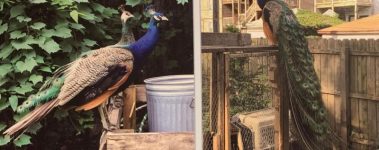
Two images side by side. The image on the left depicts a young peacock standing next to a peahen on top of logs. On the right, there is an image of a peacock standing on top of a tall aviary with his tail reaching the ground.
An introduction to the history and general characteristics of peafowl for your sanctuary or rescue.
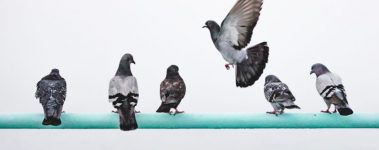
A group of five rock pigeons sit on fence as a sixth pigeon flies to join them
How pigeons have come to need the care and attention of rescuers and sanctuary!
Photo by Hanson Lu on Unsplash
Where do farmed fish factor into the farmed animal sanctuary community?
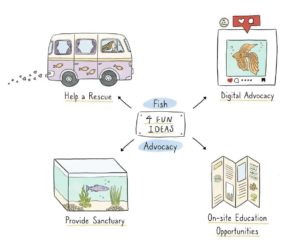
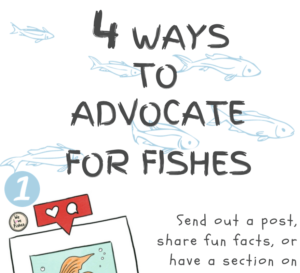
Learn 4 ways you can advocate for fishes in this handy infographic!
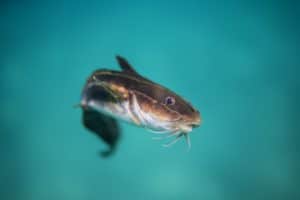
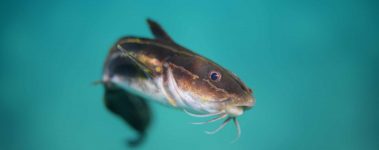
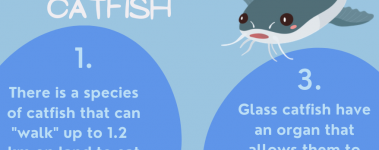
A catfish swims, looking towards the camera.
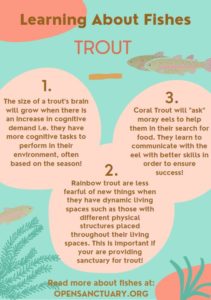
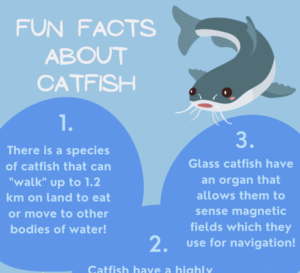
Fish are fascinating and complex individuals! Here are some verified fun facts about them!
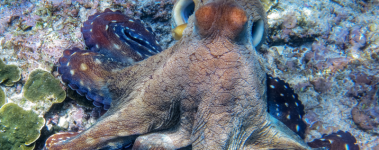
Picture depicts a brownish tan octopus with deep set eyes curled around a rock looking at the camera.
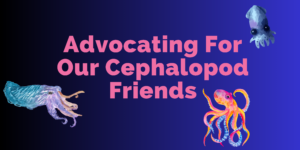
This brief resource is here to introduce you to the facts surrounding cephalopod farming in the hopes that you will use it to spread
This brief resource is here to introduce you to the facts surrounding cephalopod farming in the hopes that you will use it to spread awareness among the community.
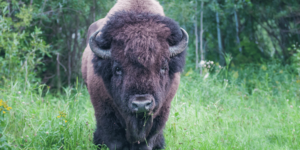
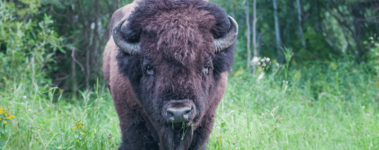
A photo of a bison facing the camera. They are dark brown and have soft eyes and a cute nose. There are trees behind them and they are standing in a field.
While this resource isn’t an exhaustive guide for caring for bison residents, it provides a starting point for learning about bison care for rescues
While this resource isn’t an exhaustive guide for caring for bison residents, it provides a starting point for learning about bison care for rescues and sanctuaries.

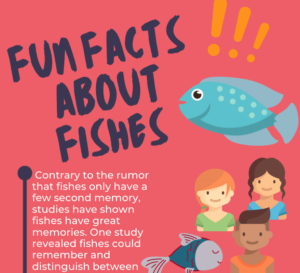
Fun Facts About Fishes

Did you know fishes can get the blues? It's true. There have been a number of studies that have revealed that fishes can have a “glass half full” or “glass half empty” approach to new experiences, depending on their previous ones.
Smile! We also know that at least some fishes can recognize and remember different human faces.
Did you know that fishes learn from each other and important information can actually be passed down through generations? Basically, one family of fishes can have cultural traditions (certain behaviors, feeding techniques, preferred locations etc.) unique to their family that are passed along to the next generation and so on.

More Species

36 Articles
64 Articles
38 Articles
Skip to content