Everything you need to consider when taking in a new duckUnless explicitly mentioned, we are referring to domesticated duck breeds, not wild ducks, who may have unique needs not covered by this resource.!
A primer on what an animal sanctuary needs training and protocols in place for when it comes to the compassionate care of ducksUnless explicitly mentioned, we are referring to domesticated duck breeds, not wild ducks, who may have unique needs not covered by this resource..
A few tips to keep older ducksUnless explicitly mentioned, we are referring to domesticated duck breeds, not wild ducks, who may have unique needs not covered by this resource. happy and thriving at your animal sanctuary!
An introductory guide for common duckUnless explicitly mentioned, we are referring to domesticated duck breeds, not wild ducks, who may have unique needs not covered by this resource. health issues, illnesses, and diseases. When in doubt, always contact an expert or veterinarian for evaluation!
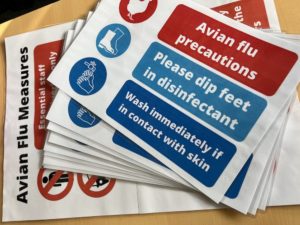
A look at the viruses that cause avian influenza, how the disease is spread, how avian influenza manifests, and how caregivers can protect the bird residents in their care.
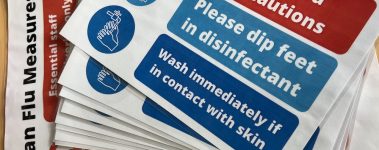
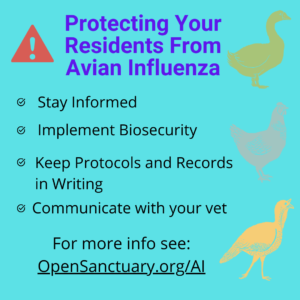
HPAI prevention methods and biosecurityMerck Veterinary Manual defines biosecurity as ”the implementation of measures that reduce the risk of the introduction and spread of disease agents [pathogens].” protocols in a simple bulleted checklist format.
Ducks have the ability to control each of their eyes independently. The information they take in with one eye is stored in their memory on the opposite side of their brain!
Waterfowl will communicate with others in the nest to synchronize their development in order to try and hatch around the same time. They also learn to recognize the sound of their mother’s voice nearby.
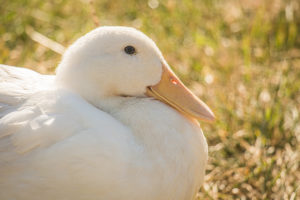
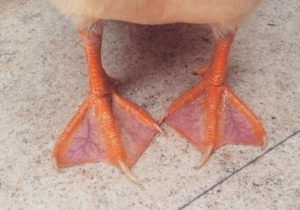
Their bills of ducks are highly sensitive with many touch receptors, similar to those in our fingertips and palms!