



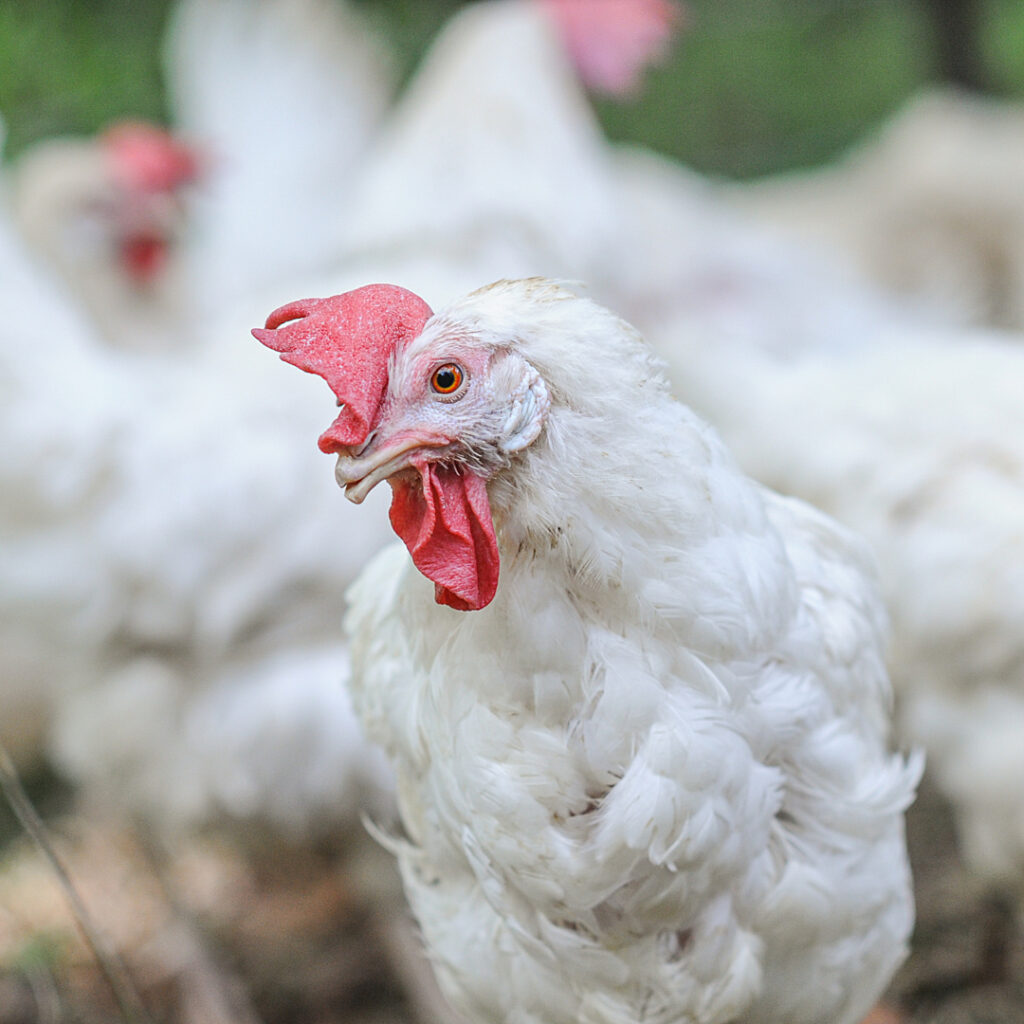

Sanctuary residents come from a wide range of backgrounds, and the specific circumstances of a resident’s previous living situation can significantly impact the care they require immediately upon rescue and can also potentially affect the care they require for the rest of their life. In this resource, we are going to discuss the unique care needs of hens who have been rescued from large-scale egg-laying operations.
Background
Large-scale egg-laying operations exploit hens that have been bred for unnaturally high egg production, typically laying between 300 and 350 eggs per year. When hens are around 2-3 years old, egg laying slows down, but they will continue to lay eggs for many more years. This drop in egg production makes these hens “less profitable” in the eyes of the egg industry, and as a result, they are considered “spent.” “Spent” hens may be shipped to slaughterhouses or killed on site, and are then replaced with younger hens to continue the cycle of exploitationExploitation is characterized by the abuse of a position of physical, psychological, emotional, social, or economic vulnerability to obtain agreement from someone (e.g., humans and nonhuman animals) or something (e.g, land and water) that is unable to reasonably refuse an offer or demand. It is also characterized by excessive self gain at the expense of something or someone else’s labor, well-being, and/or existence.. Though there are exceptions, most of the time, hens who are rescued from large-scale egg-laying operations or are otherwise available for adoption are “spent” hens.
There are several different types of egg-laying operations. These include caged operations (battery cages or colony cages) and cage-free operations (floor-raised or aviary). While there are universal care requirements applicable to all hens rescued from large-scale egg-laying facilities, it’s important to note that there are ways in which the type of facility they came from can affect their immediate care needs. Of particular note, hens rescued from battery cage operations have unique needs due to the extreme confinement they endured.
We recognize that there may be times when sanctuaries or caregivers have the opportunity to adopt hens rescued from large-scale egg-laying operations without knowing much about the specifics of where the hens came from, and, in this case, caregivers will need to carefully observe the individuals to determine what is most appropriate for them.
Below, we’ll provide a very brief overview of the types of facilities rescued hens may come from. Please note that this is not meant to highlight all of the ethical issues associated with raising hens for their eggs, nor is it meant to endorse certain housing systems. We are opposed to all forms of animal exploitation, and are merely pointing out differences in housing systems that can affect the initial care hens may require. In particular, different housing systems allow for different degrees of movement, which can greatly impact the health of the hen upon arrival and the care they require while they regain their strength.
Battery Cages
Egg-laying facilities that use battery cages house hens in small, barren, wire cages. Hens raised in battery cages are kept in extreme confinement – cages typically house 5-10 hens each and are so cramped that the hens do not have enough room to stretch their wings or walk. Battery cages have been banned in certain parts of the world (including the European Union and certain states in the US) and are in the process of being phased out in others.
“Enriched” Colony Cages
Colony cages house a larger number of birds, typically 40-60 per cage. While colony cages provide more space per bird than battery cage systems, hens still do not have enough room to engage in basic natural behaviors. These cages are often described as “enriched” or “furnished” because they include elements like nest boxes and perches that are necessary for hens to engage in basic natural behaviors, but design issues and limited space prevent hens from using them. For example, hens will want to perch at night, but there isn’t enough perching space for everyone to perch at once. Additionally, insufficient vertical height might make it difficult for hens to access perches and/or force them to crouch uncomfortably while perched.
Cage-Free Operations
As with battery or colony cage operations, cage-free operations house the birds indoors, but, as the name suggests, the hens are not kept in cages. Depending on the specific housing system, hens may have access to multiple levels within the larger structure, or they may be “floor-raised,” with or without the addition of bedding. Though less confined than those in cages, hens in cage-free systems still face overcrowding and other stressors associated with confinement and exploitation.
Hens raised in cage-free operations are typically kept entirely indoors. You may come across the term “free range” associated with a particular egg-laying operation, but please note that this does not mean hens are necessarily able to freely access outdoor spaces. Like so many terms used in animal agricultureThe human production and use of animals in order to produce animal products, typically for profit., this is mostly just a marketing ploy rather than an indication of better living conditions for the hens. Hens coming from “free range” operations may never have been outside and face similar cruelties as other housing systems.
Intake
All new arrivals should be carefully assessed with thorough intake information recorded, regardless of their previous living situation. We recommend that all hens coming from egg-laying facilities be assessed as soon after arrival as possible, ideally by an avian veterinarian. If this is not possible, they will need to be assessed by an experienced chicken caregiverSomeone who provides daily care, specifically for animal residents at an animal sanctuary, shelter, or rescue.. You can read more about conducting an intake evaluation here, and you can find general information about incoming protocols for new chicken arrivals here.
In addition to the general intake information in the resources linked above, there are other important things to be aware of when taking in hens from large-scale egg-laying operations.
Gentle Handling Is A Must
Careful handling is essential for all chickens, but this is especially crucial for hens coming from large-scale egg-laying facilities, particularly battery cage facilities. Between the toll of laying an unnatural number of eggs and the impact of being unable to stretch their wings and move around freely, these hens are at an increased risk of bone fractures due to severe osteoporosis.
Initial Observations And Intake Evaluations
Initial observations and conducting a thorough intake evaluation are crucial for any new arrival, and hens rescued from large-scale egg-laying facilities are no exception. While these individuals could have any number of health concerns upon arrival, some are more common than others. In addition to osteoporosis, respiratory issues, reproductive issues, foot issues, and injuries can be particularly common in these individuals. Be sure to consult with an experienced avian veterinarian if you see any signs of these or other issues in new arrivals.
If you have never seen a hen who has recently been rescued from an egg-laying facility, you may be surprised by some of your findings during an intake evaluation. Below, we’ll highlight some of the more common things you may come across.
Beak
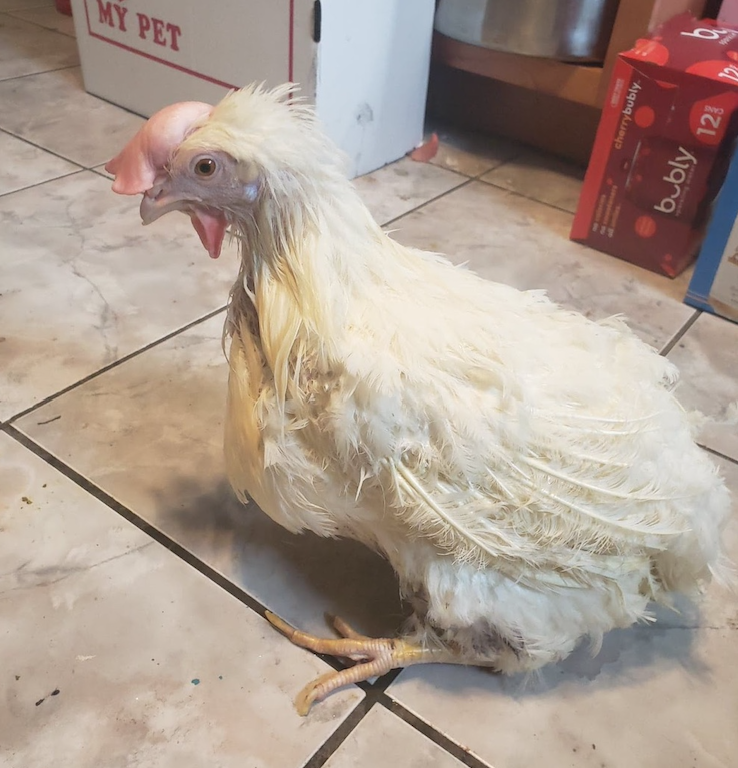
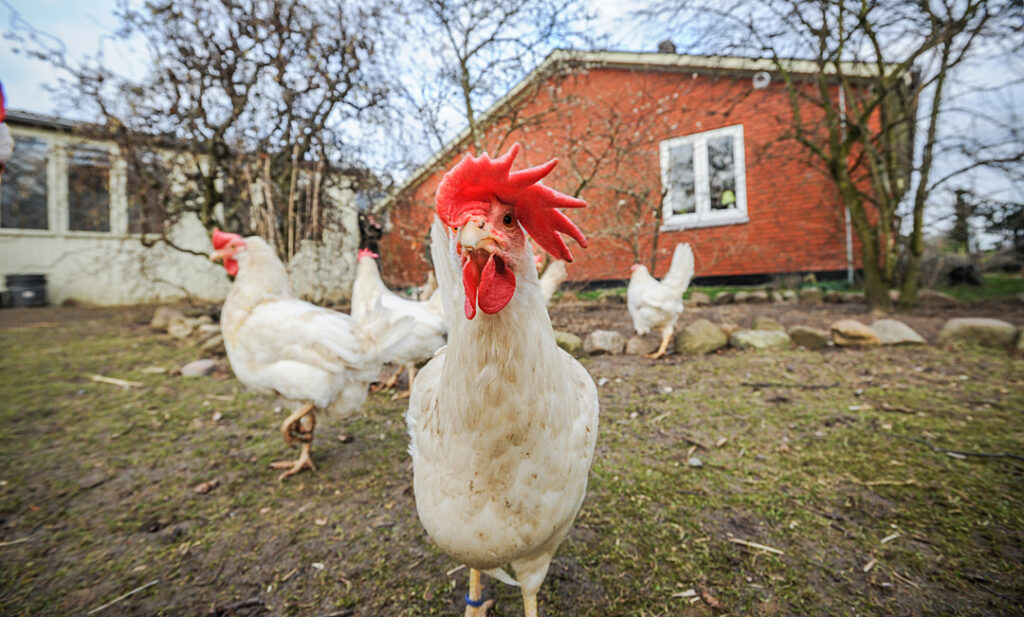
Most hens coming from large-scale egg-laying operations will be debeaked. This is a cruel and painful practice in which part of their beak is cut or seared off. Sometimes both the top and bottom beak have been mutilated in this way (as seen in the photo at the beginning of this resource), and other times it is only the top beak. We’ll talk more about how this may affect their ongoing care needs later in this resource.
Comb
White leghorn hybrids are commonly exploited by the egg industry. Upon rescue, you will likely notice that hens have a very large, pale comba fleshy crest on the head of the domestic chicken and other domesticated birds that flops to one side. In some cases, their comb will impede their vision, fully or partially covering one eye. These individuals may be more skittish due to their restricted vision. As time goes on, their comb often shrinks in size and becomes redder.
Feathers
Hens coming from large-scale egg-laying operations may have tattered or missing feathers. In some cases, this may be so severe that most of their body is featherless. With appropriate care, their feathers should grow back in time, but they may need some extra care given to their housing to keep them safe and comfortable. You may also need to make adjustments to their social groupings to prevent others from pecking at them.

Feet And Nails
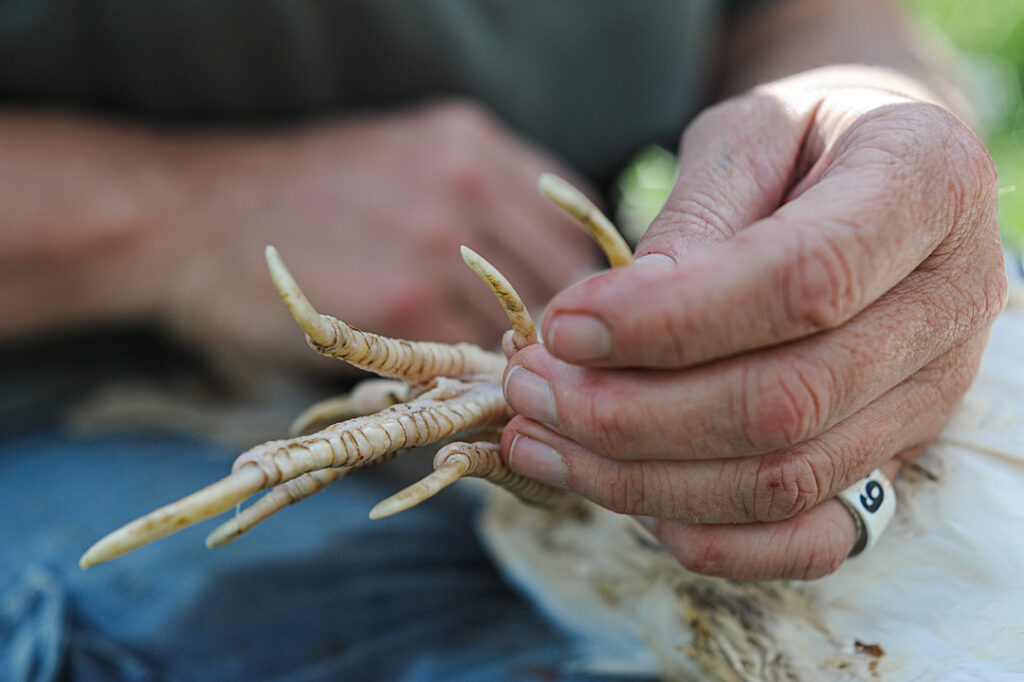
Hens coming from caged facilities will often have severely overgrown nails. Those previously confined in battery cages are unaccustomed to being able to walk around freely, and overgrown nails can further complicate things. We recommended trimming their nails soon after arrival. In some cases, you may need to do an initial trim, trimming them as short as you can without cutting into the quick, and then follow up with another trim in a few weeks to bring them back to a normal length.
Bumblefoot and other foot injuries (such as broken toes, open wounds, etc.) can also be fairly common, depending on the type of facility the hen is coming from. Be sure to check their feet thoroughly for any signs of injury or infection and have them evaluated by your veterinarian if noted.
Keel
During the intake evaluation, you may find that a hen’s keel is misshapen. This could be the result of osteoporosis or trauma. Anyone with swelling, heat, scabbing, or open sores on their keel should be evaluated by an avian veterinarian.
Observation Of Social Dynamics
Any time you take in a group of individuals, it’s important to observe social dynamics to ensure it is safe to keep the group together. When it comes to hens rescued from egg-laying facilities, one serious issue you should watch closely for is signs of feather pecking or cannibalism. The stress of confinement, overcrowding, and improper care can result in these behaviors. If observed, it will be important to take steps to prevent this issue, which may require breaking larger groups of hens into smaller groups and keeping weaker or non-ambulatory birds separate from those who are stronger. You’ll need to watch closely for broken blood feathers or bleeding injuries, as these are likely to be pecked at by others. If you cannot cover the bloody area, you’ll need to separate the individual, at least temporarily, to protect them from pecking flockmates. Thankfully, after the hens have adjusted to their new life in which their needs are met, and they do not face the same stressors they previously did, the behavior should cease.
Housing Considerations
Like all new residents, rescued hens must be quarantined to mitigate the risk of disease spread. They also require chicken-appropriate, predator-proof spaces. In addition to these housing requirements, hens rescued from large-scale egg-laying operations have unique needs that must be considered.
Perches
Chickens instinctively want to perch up off the ground at night, but hens rescued from battery cages will never have had the opportunity to do so. In addition to this, their fragile bones immediately after rescue make perching potentially dangerous, so perches must be kept low at first. Animal Place, a sanctuary that has led numerous large-scale rescues of hens from egg-laying facilities, recommends keeping perches 3-6” off the ground initially. This way, hens can access them more easily and have only a small hop down to the ground (jumping down from a greater height could lead to bone fracture in osteoporotic birds). While some hens may start perching on their own, others may need to be shown how to use perches. When you are checking on everyone before bed, you can gently place hens on low perches until they learn to do so themselves. This also helps prevent “clumping” or “piling,” which we will discuss below. As hens become stronger and more comfortable perching, you can slowly raise the height of the perches offered.
Nest Boxes
Like perches, nest boxes will also be a new concept for hens coming from battery cages, and it will take time for them to use them. Be sure to keep nest boxes at ground level or at the height of low perches so they can use them safely.
Layout
Because hens rescued from battery cages are prone to clumping (more below on this issue), we recommend avoiding layouts with tight spaces or nooks that could exacerbate this issue. Open areas will be safer for these individuals until they adjust to their new life.
Outdoor Spaces
Most hens coming from large-scale egg-laying operations will have previously spent their entire life indoors. As a result, newly rescued hens may be unsure of the outdoors at first, and you may notice that they are reluctant to venture outside. With time, this will change. When first providing outdoor access to newly rescued hens, keep in mind that weather conditions that your other chicken residents are comfortable in may not be appropriate for the new hens, particularly if they are missing a lot of feathers. They may struggle to stay warm in chilly weather and will also lack protection from precipitation and intense sun without their feathers. Depending on your climate and the current season, you may need to wait to offer outdoor access or may need to carefully limit their outdoor time in order to keep them safe and comfortable.
Dietary Considerations
To ensure they receive the nutrients they require, we recommend providing hens rescued from egg-laying operations a high-quality “layer” food, at least initially. It’s always a good idea to work with your veterinarian or an avian nutritionist to determine the most appropriate diet and supplements for your residents. Your veterinarian can help determine if additional supplementation is advised, and if the new hens are implanted after their rescue, they can let you know if changes should be made to their diet as a result. To learn more about appropriate diets for chickens, check out our resource here.
As mentioned above, hens rescued from the egg industry will typically be debeaked, some more severely than others. They may do best eating a crumble (vs. pellet) and/or may need to have their food soaked to make it easier to eat. Providing food in wide bowls and ensuring there is always a deep layer of food can make it easier for them to scoop up their food. For some individuals who have been debeaked, you may find that their beak is sensitive for the rest of their life. To keep them comfortable while eating, be sure to provide dishes that are made of softer materials, such as rubber or silicone, rather than hard metal or ceramic.
Daily Care
It’s important to consider how a new resident’s previous living situation may impact the care they require both in the short- and long-term after their rescue. While hens rescued from large-scale egg-laying operations have similar care needs as other chickens, they do have some unique needs to keep in mind.
Provide Opportunities For Safe Exercise
Because many hens coming from large-scale egg-laying operations will have some degree of osteoporosis, it’s important to give them opportunities to exercise safely while mitigating the risk of injury. As mentioned above, avoid high perches or nest boxes, and ensure they can move between indoor and outdoor spaces without having to jump. Make sure they have ample space to move around and stretch. Normal movement and activity, combined with ensuring their nutritional needs are met, will help them regain their strength. Over time, hens will be able to have higher perches and nest boxes and jump to and from elevated surfaces without the increased risk of bone fracture (barring any health issues that require ongoing modifications to their living spaces).
Watch For And Prevent Clumping
As mentioned above, hens rescued from battery cage facilities will not know how to perch. Instead, they will often huddle very close together when night approaches. This behavior is called “clumping” or “piling” and puts hens at risk of being smothered by other hens. It is particularly dangerous if they engage in this behavior in corners or tight spaces, which is why we recommend avoiding these layouts, but it’s important to note that this behavior also poses a risk in open spaces, especially in larger groups of birds. Regardless of the layout of their housing, you will want to watch for and prevent clumping. To avoid issues and help hens learn to perch, we recommend checking on hens before dusk and “declumping” as needed. This entails gently moving hens onto very low perches and ensuring they are appropriately spaced out. With time, hens will learn to perch, and clumping behavior will dissipate.
Watch For Signs Of Internal Parasites
Hens rescued from caged facilities will not have been previously exposed to coccidia or intestinal worms and, therefore, will not have the same degree of immunity as chickens who were exposed at a younger age. As a result, they are at an increased risk of clinical disease from these parasitic infections. Be sure to watch them closely for signs of internal parasites and work with your veterinarian to establish a parasite screening plan. Bring any concerns to your veterinarian, and follow their recommendations regarding treatment to avoid unnecessary drug use that contributes to resistance.
Watch For Signs Of Reproductive Issues
While any hen can develop reproductive issues and should be closely monitored for signs of these issues, hens exploited by the egg industry are at an increased risk of many reproductive diseases. It’s important to closely monitor these individuals for signs of reproductive diseases, which you can read more about here. If at all possible, we recommend talking to your veterinarian about the possibility of Suprelorin implants to help reduce their risk of certain reproductive diseases.
Trim Her Beak As Needed
Depending on how she was debeaked and how much of her beak was removed, you may find that her beak needs more attention than that of other chickens. For example, in hens whose top beak is now much shorter than their bottom beak, you may find that the bottom beak needs to be trimmed every so often. Or, you may find that a hen who has been debeaked has unusual growth, creating an abnormal beak shape that could interfere with eating or could be at risk of damage. These areas may need to be trimmed or filed to maintain a more normal beak shape. Beak trimming and filing must be done with great care to avoid cutting into the sensitive quick. Be sure to work with your veterinarian or an experienced caregiver if you are unsure how to proceed.
Moving In With Other Chickens
Depending on the health of the individuals upon arrival, you may find that even after quarantineThe policy or space in which an individual is separately housed away from others as a preventative measure to protect other residents from potentially contagious health conditions, such as in the case of new residents or residents who may have been exposed to certain diseases. can be discontinued, they are not quite ready to move in with other chickens, particularly roosters. Be sure to work closely with your veterinarian as needed to assess the health of each individual and to determine if it’s safe to introduce them to other chickens or if they need more time to regain their strength. You can read more about conducting chicken introductions here.
SOURCES:
Chicken Care Information | Animal Place
Conditions for Chickens in Battery Cages Are More Sadistic Than Most People Realize | Sentient Media
Cage Layer Fatigue | Merck Veterinary Manual (Non-Compassionate Source)
Calcium Metabolism Problems in Hens | Merck Veterinary Manual (Non-Compassionate Source)
Osteoporosis In Cage Layers | C.C. Whitehead, R.H. Fleming (Non-Compassionate Source)
Ex-Battery Hens as Pets | Pros and Cons | A Vet’s Perspective | Sez The Vet (Non-Compassionate Source)
US Poultry Industry Manual – Housing Options For Raising Laying Hens | The Poultry Site (Non-Compassionate Source)
Position Note: Enriched Cages Do Not Meet The Welfare Needs Of Laying Hens | Compassion In World Farming (Non-Compassionate Source)