



Introduction
Perhaps one of the most important accomplishments of farmed animal sanctuariesAnimal sanctuaries that primarily care for rescued animals that were farmed by humans. is to provide lifelong compassionate care to beings who have suffered inordinately due to the systems of animal agricultureThe human production and use of animals in order to produce animal products, typically for profit.. The reality of these systems is that most farmed animalsA species or specific breed of animal that is raised by humans for the use of their bodies or what comes from their bodies. are slaughtered as babies, and never come near reaching their natural life span. That senior farmed animals thrive within the context of sanctuary is an important monument to the notion of collective liberationCollective liberation recognizes that all systems of oppression are intertwined and acknowledges that working in solidarity with one another to undo all of these oppressive systems is the only way we can achieve a world where everyone, human and nonhuman, is truly free from exploitation and harm. from oppressive animal agricultural systems.
While having aging residents is a triumph in this sense, an aging population can also present both unique additional challenges and new opportunities to sanctuary operators that are important to be aware of. One challenge in particular that we at the Open Sanctuary Project have worked hard to address is the dearth of accurate, actionable and compassionate care information for farmed animals. We are very proud to offer resources specific to elderly farmed animalA species or specific breed of animal that is raised by humans for the use of their bodies or what comes from their bodies. species including: alpacas, chickens, cowsWhile "cows" can be defined to refer exclusively to female cattle, at The Open Sanctuary Project we refer to domesticated cattle of all ages and sexes as "cows.", ducksUnless explicitly mentioned, we are referring to domesticated duck breeds, not wild ducks, who may have unique needs not covered by this resource., donkeys, geeseUnless explicitly mentioned, we are referring to domesticated goose breeds, not wild geese, who may have unique needs not covered by this resource., goats, horses, llamas, pigs, sheep, and turkeysUnless explicitly mentioned, we are referring to domesticated turkey breeds, not wild turkeys, who may have unique needs not covered by this resource., which we will list in the sources below.
In this resource, however, we want to provide a general overview of the challenges and opportunities that you may face as members of your resident population reach their golden years. As Alastor has shared, and experienced sanctuary caregivers know, “the baby to senior pipeline is shorter than you think.” In other words, that young animal that you have just rescued is going to grow up and age faster than you think!
We hope that this discussion will help promote a better understanding of the general needs of aging farmed animals in sanctuary, how that can impact sanctuary sustainability, and also the opportunities that caring for seniors gives to caregivers and advocates. The stories of senior farmed animal sanctuaryAn animal sanctuary that primarily cares for rescued animals that were farmed by humans. residents can truly be a testimony for the animal liberationA social movement dedicated to the freeing of nonhuman animals from exploitation and harm caused by humans. movement as a whole.
Aging Residents May Require Increased Care Time
Part of what defines an animal sanctuary is that sanctuaries must put the needs of their residents first, which includes a commitment to lifelong care. It is a common (and accurate) assumption that animals may require a significant amount of care directly after rescue. While this is true, it can be easy to forget that as our residents age, their needs may also change and/or increase, which may result in them requiring the following kinds of additional care and more.
Increased Time Needed For Closer Observation
Observation is a critical tool for caregivers when it comes to learning more about the residents in their care, from their unique physical characteristics, to their behavior, and to their health and well-being. It should always be a priority for caregivers to regularly observe their residents, but in the case of senior residents, it’s particularly important. Similar to neonatal individuals, in an aging individual, health challenges can have heavier implications than in some younger adult individuals, so even the slightest deviation from their normal behavior should be documented carefully and followed, as in more vulnerable neonates and elder residents, illness can become serious very quickly.
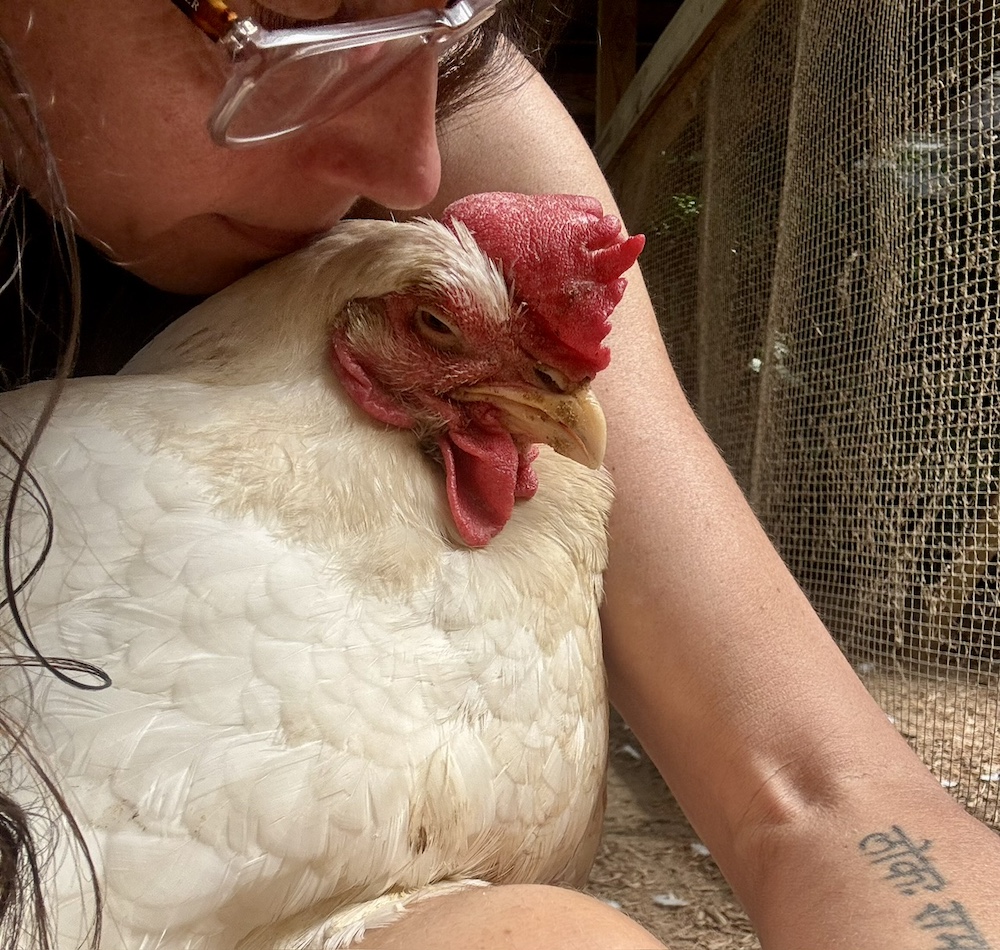
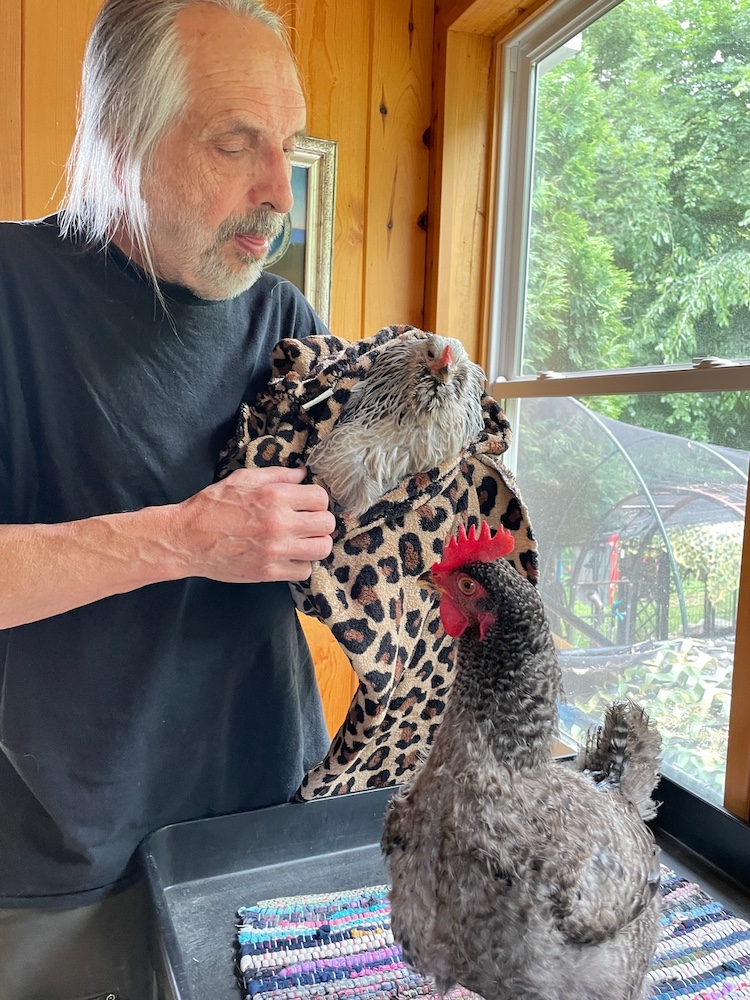
Keep in mind that while closer observation of your aging residents may require more time, it can also bring some special joys, as it has for Nunu (pictured below) and her caregiverSomeone who provides daily care, specifically for animal residents at an animal sanctuary, shelter, or rescue. Tracey.
Increased Need For Veterinary Assessment And Treatment
The importance of veterinary care for residents of sanctuaries cannot be overemphasized. It is part of the lifelong commitment we make to them. Because residents are more likely to experience health challenges as they age, and the impacts of those challenges can be significant on an elderly resident, it is critical that when you observe signs of concern in their conditions or behavior, you get them assessed by a qualified veterinarian.
But quality veterinary care for farmed animals may be hard to come by, and can also be costly. As your residents age, your veterinarian may suggest more frequent wellness checks. This may also come with more frequent diagnostics such as bloodwork, or treatments that include dental care, which can be challenging with certain residents.
And sometimes, given the paucity of elderly farmed animals that veterinarians tend to see from a compassionate care setting, your veterinarian may not always know what to do with an elderly resident. This may mean that you may need to seek additional opinions from other vets who may have expertise, and depending on the species of your resident and their medical needs, may necessitate additional travel, time and expense. Some individuals may also have a hard time traveling, necessitating connecting with a vet who will come to you or prescribe medications that will make the transport less stressful.
In such situations, collaborating with other members of the farmed animal sanctuary community may be helpful. Perhaps you may have a colleague in another part of the country who has experienced the same or similar issues with their residents, who may be able to have their veterinarian consult with yours. Community building and knowledge sharing around the compassionate care of elderly residents can be a wonderful opportunity to foster positive relationships between animal sanctuaries, build your network, and help add to community knowledge, as well as getting additional insight for your resident.
Increased Time Needed For Administration of Medications and Other Treatments
As we age it is not unusual to require some extra support for health challenges in the form of medications and other treatments. For example, your veterinarian may determine that an elderly resident experiencing joint pain and soreness might benefit from medication to mitigate this. With elderly residents, chronic and progressive conditions are not uncommon, so certain medications and treatments may be lifelong, versus treating an illness until it can be cured.
Giving regular medications as residents age is going to require an additional investment of time, and also, careful tracking to make sure that the administration of the medication is timely and conducted with a minimum of stress to the resident. Minimizing stress is important to remember, as elderly residents might be operating at a gentler pace, and may be more sensitive to the disruption of their routine that might result from having to administer regular medication or other treatments. But keep in mind that administering medication need not always be a chore, and if you can find a way to give it that your resident enjoys, for example, hiding your meds in a tasty snack (as approved by your veterinarian) this can in fact become an opportunity for enrichment and bonding.
Increased Demands on Emotional Capacity
In sanctuary, caregivers and the residents who they care for exist in close connection. It is very common that human and non-human folks form strong bonds with one another, and especially when a resident has been in sanctuary for a long period of time. While close bonds with senior residents are beautiful and should be cherished, it’s important to realize that there can be emotional impacts on caregivers when it comes to their care.
When a caregiver sees an elderly resident that they have worked with for years ailing, they may experience anxiety, stress, frustration, and exhaustion or other cognitive or behavioral symptoms as they work to address their needs. This is known as anticipatory grief. It can be particularly difficult if the resident in question is dealing with a long term illness, which defies treatment. It can also come up in an even more compounded way when sanctuaries have rescued groups of residents who are all the same age. In this case, you may ultimately face a situation where the group in question are all facing health challenges and end of life care considerations at the same time. This can take a significant toll on caregivers.
It’s important to validate and make space for this set of emotions, and to allow folks experiencing them to talk through it with one another, and to take care of one another and themselves. At times like these, remember that the sanctuary is a community, and that caregivers deserve support as well. Avoiding compassion fatigue and burnout is critical to maintaining your sanctuary’s sustainability.
Consider implementing measures to support care staff retention, because moments like these are bound to happen when it comes to caring for sanctuary residents long term. This can potentially include providing access to mental health care support. Building in ways to support caregivers as they provide what elderly sanctuary residents need and deserve during their golden years is critical to supporting both the caregivers, and ultimately the residents as well.
It can also be helpful to keep in mind that anticipatory grief is not necessarily an entirely negative set of emotions. It can serve a purpose: specifically to help us to prepare ourselves for a prospective loss, to give ourselves a chance to say goodbye as we would like to best, and to remind us to take full advantage of the time we do have. Losses are inevitable and will hurt. Experiencing anticipatory grief when it comes to an elderly resident is absolutely valid. But it can also at times be helpful as a reminder to keep track of and share together the joyful moments that take place every day in sanctuary, especially when it comes to your elderly residents.
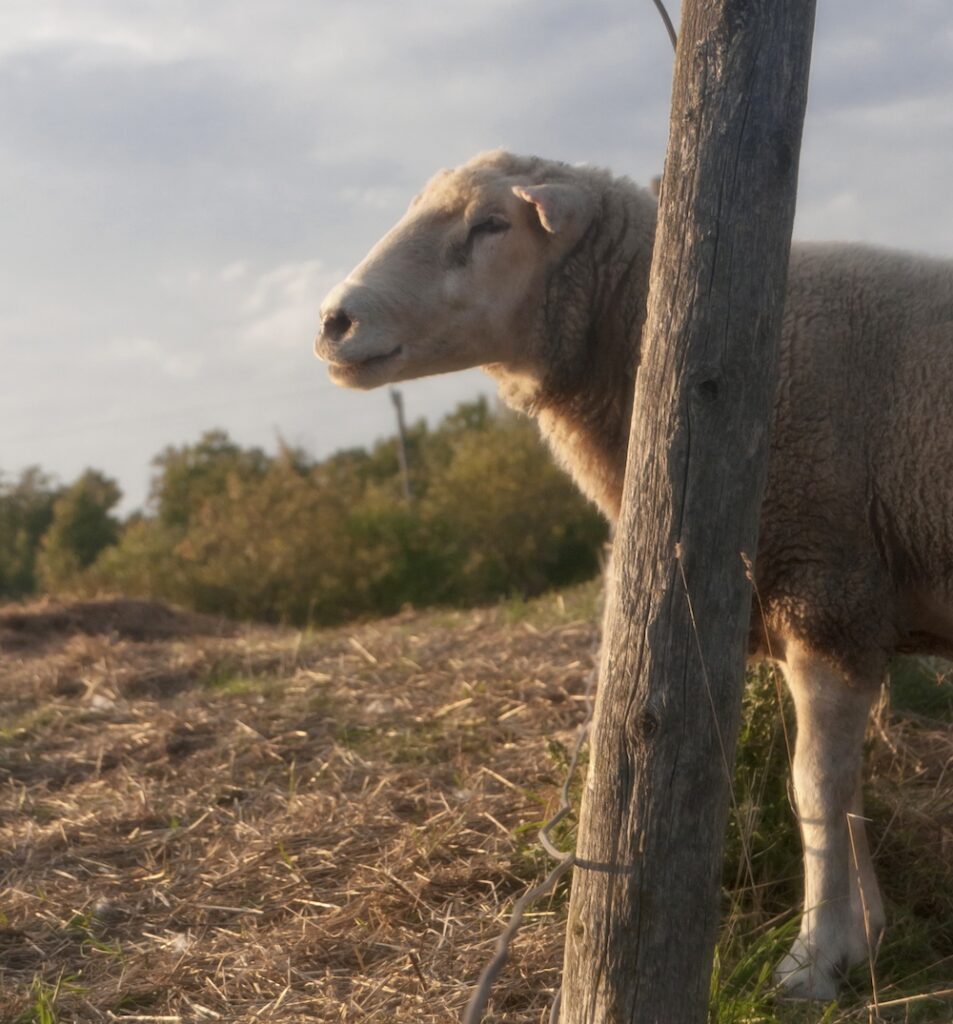
As Aging Residents’ Health Needs Change, So May Their Living Space Needs And Social Groups, Which May Impact Your Sanctuary’s Physical Infrastructure
Aging can bring changes to a resident’s health that may impact what they need in order to thrive in their living spaces. For example, stiffness, arthritis, and changes in mobility can mean that there may need to be adjustments to flooring, to the accessibility of their food, or to the type and quantity of bedding that they need, among other things.
Similarly, as residents age their behavior and social preferences may change. Some residents who previously were the best of friends might find that they no longer enjoy each others’ company. Older residents may be less willing or able to tolerate the behaviors of younger and more exuberant companions. Certain individuals may not even be able to keep up with their peers in age, and may suffer in trying to do so. For example, some ruminants may tax their limits by venturing out to graze further than their own capacity allows just in order to keep up with the herd.
Or the opposite may be true! Keep in mind that every resident is an individual, and that there is no fixed clear path that will hold true for every resident. This is why as mentioned above, close observation of your elderly residents is particularly critical so that you can pick up on shifts that may have important implications for changes that may need to be made to enhance their quality of life.
Changes like these may have larger implications for your sanctuary. For example, it is extremely likely that as your residents age, the physical infrastructure of your sanctuary may need to change! In the video we’ve included in this resource, Alastor Van Kleeck shares an example of how their rooster flock (which was formerly comprised of 45 roosters) shrank over time as some members had to be separated from it and housed with either a close friend or two, or a hen companion. What this meant was that the infrastructure of their sanctuary had to shift from a situation where a large group of birds lived together in shared indoor and outdoor space, to a scenario where multiple indoor and outdoor spaces had to be separated and built out to safely accommodate these smaller groups.
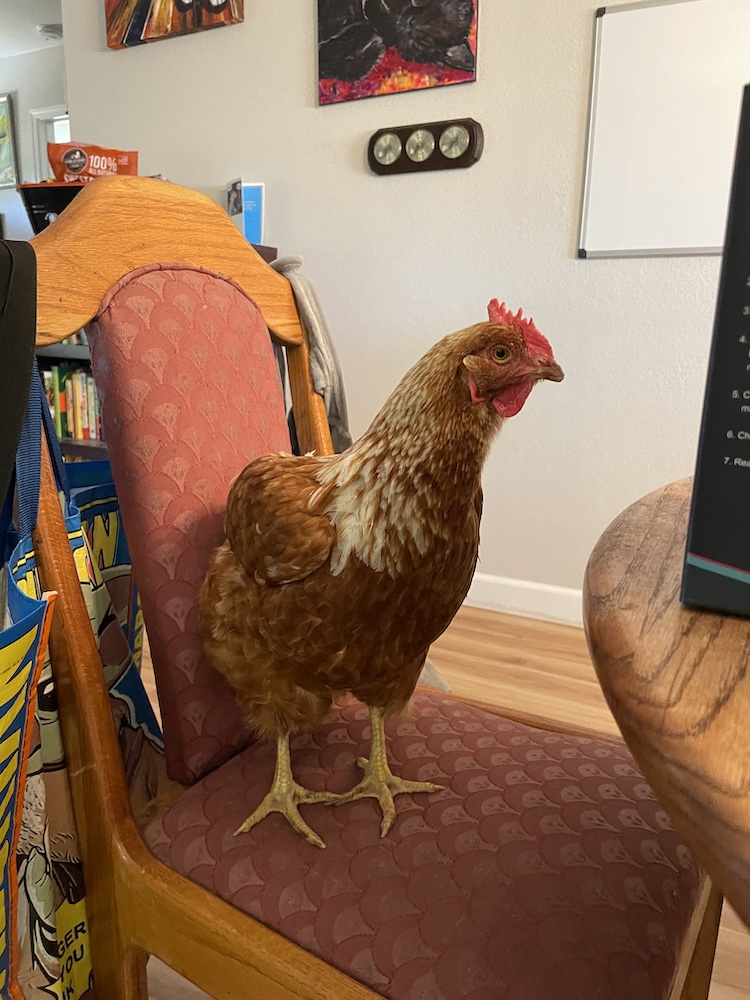
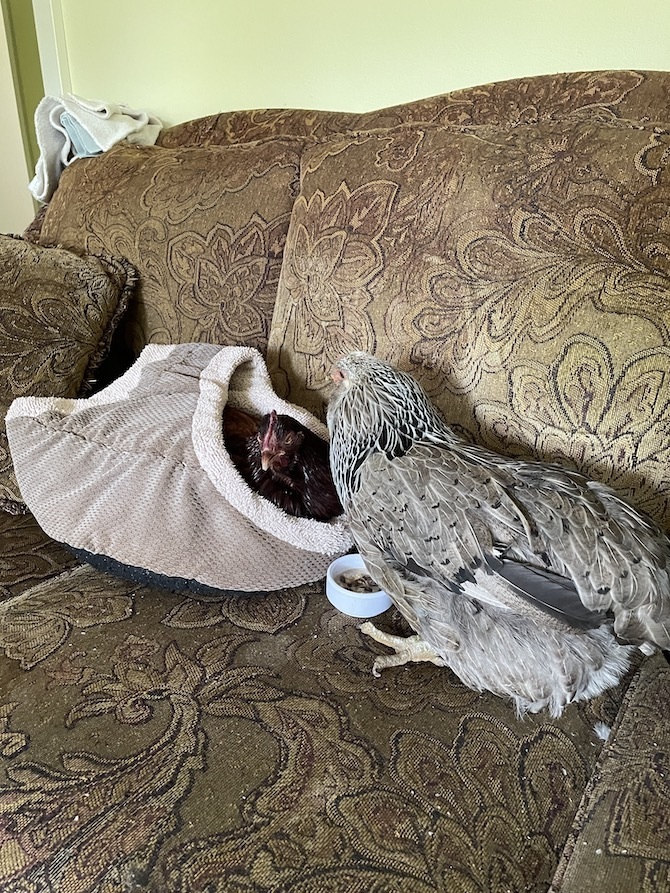
Sometimes, these kinds of changes may also have impacts on the human living spaces of sanctuaries! As certain residents age, some caregivers may feel like the best way to provide them with the care that they need and deserve is to bring them into their own homes. Again, this gives caregivers a unique opportunity not only to conduct close observation of their residents, but it can be a truly special experience to bond with them in this way.
Caring For An Aging Population May Involve Increased Financial Cost
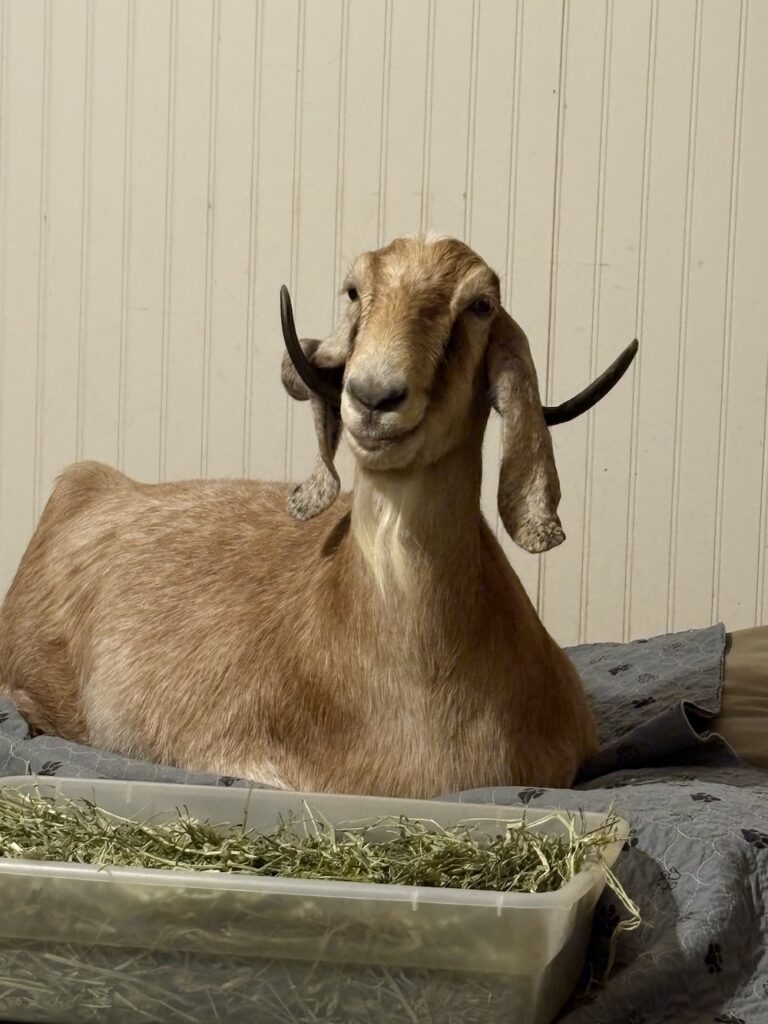
We mentioned above that aging residents may require additional veterinary care, which can add to a sanctuary’s expenses. It’s worth mentioning that these costs may not be limited to the cost of a visit, but may also include the additional diagnostics that may be required, the costs of travel if you must consult with a specialist other than your regular veterinarian, and the costs of medications that you may need to provide your resident. Residents may also require more, or a different kind of food as they age, which may also be more costly. Keep in mind as well that sometimes senior diets might require special preparation that can require additional caregiver time. And if you are feeding a particular diet to an individual or a smaller group of individuals, you may need to separate those folks from the rest of their group, clean them up afterwards, and then reintegrate them, which requires even more time and care!
We also mentioned that aging may lead to changes in resident health and social arrangements that may require you to change the physical infrastructure of your sanctuary in order to accommodate senior and/or disabled residents appropriately. There are costs and space considerations associated with building new living spaces as well. When you’re considering your sanctuary’s capacity, it is important to keep in mind that you may need to maintain “open” space to meet those needs as your population ages. We’ll discuss that more in a later section.
Finally, senior and/or disabled residents may have increased needs for enrichment, particularly if they have limited ability to engage socially with other residents. This can require additional funds as well as staff time in order to accommodate these needs. The benefit is that enrichment can be not only beneficial to the residents, but to the caregivers who get to provide it! Enrichment can be one of the most fulfilling parts of a caregiver’s long day!
The Impacts Of An Aging Population On Sanctuary Intake, Capacity, and Sustainability
Considering all of the above factors, it is clear that an aging population will have impacts on the ecosystem of your sanctuary community, which can include both challenges and opportunities. The additional time, emotional and financial resources that senior residents require and deserve may likely impact your sanctuary’s capacity when it comes to the intake of additional residents.
The challenges of responsible rescue are real for sanctuary operators. While it can be agonizing to say no to a new intake when you are presented with the opportunity to rescue one, it is important to consider that you must maintain the commitment you made to your existing residents when you took them in, which is a commitment to lifelong compassionate care.
Sanctuary capacity can change not only as a result of organizational changes over time (or even from day to day), but can and should be impacted by the aging and changes in health of the resident population. A sanctuary’s staff should always be empowered to have honest, open communication about the care that they can responsibly provide, and what the organization’s current limitations are.
Though it can be hard, prioritizing the commitment you have made to your existing residents is paramount, and this may mean that your organization may need to make the hard decision to close to intake entirely for periods of time.
The Dilemma Between Rescue And Uplifting Senior Narratives When It Comes To Fundraising
Building on the notion that maintaining your commitment to your senior population may impact your ability to intake new residents, it’s important that we acknowledge that within the system under which all animal rescuesOrganizations that help secure animals from dangerous or unacceptable situations. As organizations, rescues may or may not have dedicated permanent infrastructure for housing animals. and sanctuaries operate, there is an important bias in fundraising that you should be aware of.
As sanctuaries and rescues start their journey, it can be gratifying to see that there can be significant public support for new rescues, and particularly those that may involve younger animals. It’s understandable that donors can feel very gratified when they support the rescue of a very cute younger animal from a terrible situation. And it is also understandable that rescues and sanctuaries take that as a cue to rescue more animals.
However, it can be harder to raise funds to support the ongoing lifelong care of animals. If we remember that the responsible rescue of an animal entails a lifelong commitment to that animal, this becomes challenging from a capacity perspective, and specifically when it comes to fundraising.
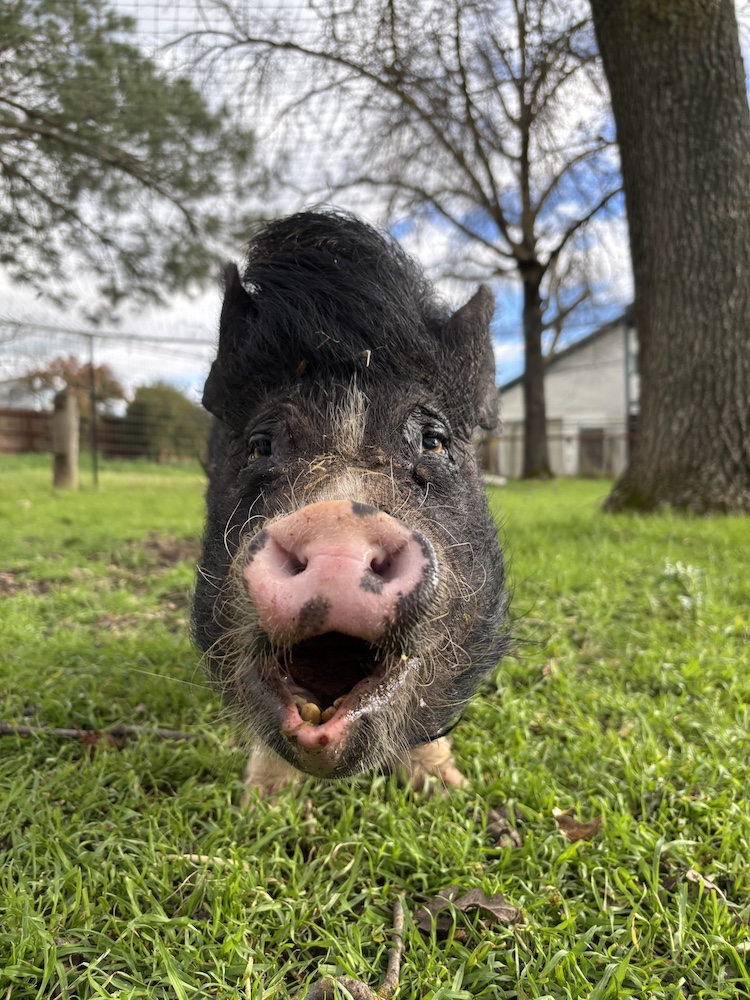
While fundraising for ongoing lifelong care is indeed a challenge, we in the compassionate care community who care for seniors have a unique opportunity to flip the script on this current bias in favor of new rescues. Throughout this resource we have shared compelling stories shared by our community, telling the stories of their senior residents. Senior residents give us an opportunity to teach about the natural lives of these animals, versus the expectations that animal agriculture have wrongly ingrained in us. These narratives are important, and stand for the proposition that in the face of oppressive systems, there are still opportunities for individuals to defy the odds, to live past the age that they were meant to be killed for consumption, to develop into the beings that any farmed animal resident with a chance can become, and to enjoy quality time into their golden years.
In order to confront the dilemma of the bias towards donors’ tendencies to want to fund new rescues (which is antithetical to long term sanctuary sustainability) we encourage you to highlight your senior residents by fostering agency-centered educational experiences with them and your community. Tell their stories, and spotlight the special things about them that you have learned over the years that make them the unique individuals that they are. Meeting a senior farmed animal resident can be an unforgettable experience for someone who has never contemplated their existence, and can change lives. Again, we’ve created a special resource to highlight the stories that have been shared with us here. If you would like to share a story please feel free to contact us.
Conclusion
Because the creation of space for the lifelong care of senior farmed animals is a relatively new movement, there is still much to be learned when it comes to accommodating their many needs, and combatting the bias from the donors and the funding community when it comes to favoring new rescues.
The Open Sanctuary Project has been so honored to provide well-researched and actionable resources to help support you in the journey of providing the best lifelong compassionate care that you can for your residents in their golden years. We are very proud to share the stories that were passed to us of residents who have benefited from our work.
We want to emphasize however, that the golden years of a sanctuary resident are far from being only a challenge to caregivers and to their sanctuary. Sharing time with sanctuary seniors is also a beautiful opportunity. These residents stand for the proposition that every being deserves to experience the entirety of their lives with dignity, respect, and the support of their community. And we want to thank all the sanctuaries and caregivers who do the work to accomplish this goal!
SOURCES:
What Defines An Animal Sanctuary? | The Open Sanctuary Project
5 Things I Wish I Knew With Alastor Van Kleeck of The Microsanctuary Resource Center | The Open Sanctuary Project
Observation: An Important Caregiving Tool | The Open Sanctuary Project
Observing And Recording Resident Behavior | The Open Sanctuary Project
Resident Ongoing Treatment & Observation Record | The Open Sanctuary Project
The Open Sanctuary Project’s Animal Database | The Open Sanctuary Project
The Importance of Veterinary Care at Your Animal Sanctuary | The Open Sanctuary Project
Understanding Veterinary Diagnostics: Blood Work | The Open Sanctuary Project
Fostering Positive Relationships Between Animal Sanctuaries | The Open Sanctuary Project
Recognizing and Managing Compassion Fatigue at Your Animal Sanctuary | The Open Sanctuary Project
Recognizing and Managing Burnout at Your Animal Sanctuary | The Open Sanctuary Project
Care Staff Retention At Your Animal Sanctuary | The Open Sanctuary Project
What Does It Mean For Each Animal Sanctuary Resident To Be An Individual? | The Open Sanctuary Project
Crafting A Compassionate Euthanasia Policy For Your Animal Sanctuary | The Open Sanctuary Project
The Open Sanctuary Project’s Euthanasia Model Policy Template | The Open Sanctuary Project
The Open Sanctuary Project’s End of Life Record | The Open Sanctuary Project
Sharing Your Home With Chickens | The Open Sanctuary Project
Determining Your Animal Sanctuary’s Capacity For Responsible Care | The Open Sanctuary Project
Time To Thrive: Considering Enrichment For Species And Individuals | The Open Sanctuary Project
Estimating Species Lifetime Care Costs At Your Animal Sanctuary | The Open Sanctuary Project
The Challenges Of Responsible Rescue | The Open Sanctuary Project
An Introduction To Fostering Agency In Farmed Animals At Your Animal Sanctuary | The Open Sanctuary Project
A Guide To Fostering Farmed Animal Agency In Sanctuary Education | The Open Sanctuary Project
Additional Care Recommendations For Older Alpacas | The Open Sanctuary Project
Additional Care Recommendations For Older Chickens | The Open Sanctuary Project
Additional Care Recommendations For Older Cows | The Open Sanctuary Project
Additional Care Recommendations For Older Ducks | The Open Sanctuary Project
Additional Care Recommendations For Older Donkeys | The Open Sanctuary Project
Additional Care Recommendations For Older Geese | The Open Sanctuary Project
Additional Care Recommendations For Older Goats | The Open Sanctuary Project
Additional Care Recommendations For Older Horses | The Open Sanctuary Project
Additional Care Recommendations For Older Llamas | The Open Sanctuary Project
Additional Care Recommendations For Older Pigs | The Open Sanctuary Project
Additional Care Recommendations For Older Sheep | The Open Sanctuary Project
Additional Care Recommendations For Older Turkeys | The Open Sanctuary Project
Anticipatory Grief: Symptoms and How to Cope | Cleveland Clinic